Opinion On Utility Tokens
TOKEN OBJECTIVES
Review the specific objectives of the utility tokens
TOKEN IS NOT SECURITY
It is crucial to establish that the token is not a security token
Introduction
The potential benefits of offshore software development outsourcing contracts are immense, from accessing top talent to cost savings. However, understanding and addressing critical provisions is crucial to avoid pitfalls and ensure a successful collaboration. This article will delve into the key aspects of these contracts, emphasizing the importance of intellectual property rights and examining Acme Corp’s offshore success story.
Get in touch now | Contact us
Write to us now
Advantage of Token opinion
- Visualise execution of business model
- International Validity
- Crypto Exchange Listing
- Synchronize business milestones
- Establish Global Footprint
- Explore Technology Licensing
- Manage all regulatory requirements
- Close Business Investment Deals
Protect Your innovation Worldwide
Provisional patents
Secure your idea for 12 months and convert to international patent under PCT within 12 months
International patents
Patent Cooperation Treaty (PCT) provides filing mechanism for global protection of innovative products and services.
Scope: Clarity for Successful Collaboration
Defining the scope of work, including services and expected end products, sets the foundation for successful outsourcing contracts. A clear “statement of work” (SoW) should be established, detailing the project’s requirements, timeline, deliverables, and payment schedules. Provisions for changes in service and “work made for hire” acknowledgements are also essential, ensuring that both parties understand their roles and obligations.
Payment/Compensation: Timely and Fair
Payment terms should be mutually agreed upon to guarantee developers receive compensation according to the contract’s terms. Common structures include fixed-price, time and material, or milestone-based arrangements. Choosing the most suitable payment structure is vital for fostering trust and maintaining a strong working relationship between parties.
Intellectual Property (IP): Ownership and Protection
Intellectual property rights play a critical role in offshore software development contracts. Work-for-hire contracts typically grant IP ownership to the employer or company. To avoid conflicts over IP rights, clear definitions of trade secrets, proprietary rights, authorship, and due diligence on existing intellectual propertymust be provided. Ensuring proper protection of your IP assets is key to long-term success and safeguarding your company’s innovations.
Confidentiality: Safeguarding Sensitive Information
Confidentiality is a paramount concern when disclosing sensitive information to offshore IT providers. Non-Disclosure Agreements (NDAs) should be signed, outlining the confidentiality of disclosed information, consequences for breaches, and exceptions to confidentiality. Provisions should extend beyond the contract’s duration, guaranteeing that your company’s information remains protected even after the collaboration ends.
Termination: Clear Grounds and Implications
Termination clauses should be included in the contract, specifying notice periods, conditions, and financial risks associated with premature termination. Whether it is project completion, a major breach, or a decision by either party, having clear termination provisions helps mitigate potential disputes and protects both parties’ interests.
Dispute Resolution: Efficient and Cost-effective
Arbitration or mediation is generally preferred for dispute resolution in software development contracts. Cross-border agreements can complicate jurisdiction and applicable law, making it crucial to designate these details in advance. Choosing an efficient and cost-effective dispute resolution method can save time and resources for both parties involved.
Legal Considerations: Compliance and Employee Classification
Offshore software development contracts must comply with foreign laws and consider whether developers are employees or independent contractors. Different legal requirements and tax implications apply to each classification, so understanding labor legislation in both the developer’s and company’s countries is essential. Ensuring compliance and proper classification helps avoid potential legal issues down the line.
Acme Corp: A Success Story in Offshore Software Development Outsourcing
Background
Acme Corp, a US-based technology company, recognized the need for a cutting-edge software application to maintain a competitive edge in the market. However, they lacked the in-house expertise and resources to develop the application themselves. To access top talent at a lower cost without compromising quality, Acme Corp decided to hire an offshore development team in India.
Navigating the Challenges
Acme Corp faced potential pitfalls, such as unclear rights, payment terms, confidentiality, and legal issues. To overcome these challenges, they meticulously crafted an offshore software development outsourcing contract addressing crucial aspects, including:
Scope: Acme Corp created a detailed SoW, specifying the services, expected end product, timeline, milestones, and payment schedules. They included provisions for changes and “work made for hire” acknowledgements.
Payment: Acme Corp opted for a milestone-based payment structure, ensuring timely payments to the developers upon completion of each project stage.
Intellectual Property: The contract specified that Acme Corp would retain ownership of all IP created during the project. They conducted due diligence on their existing IP and provided clear definitions of trade secrets, proprietary rights, and authorship.
Confidentiality: Acme Corp signed NDAs with the offshore developers, outlining the confidentiality of disclosed information and consequences for breaches. Confidentiality provisions extended beyond the contract’s duration.
Termination: The contract included termination clauses, specifying notice periods, conditions, and financial risks associated with premature termination.
Dispute Resolution: Acme Corp chose arbitration as the preferred method, designating the governing law and jurisdiction for any disputes that might arise.
Legal Considerations: Acme Corp ensured compliance with Indian labor laws and regulations, treating the developers as independent contractors to avoid complications with employee classification.
The Outcome
By carefully addressing critical contract aspects, Acme Corp successfully collaborated with the offshore development team in India. Throughout the project, they maintained open communication channels and fostered a culture of trust and mutual respect. The software application was completed on time and within budget, exceeding Acme Corp’s expectations.
The project’s success not only granted Acme Corp a competitive edge in the market but also demonstrated the potential benefits of offshore software development outsourcing. As a result, Acme Corp has continued to expand its offshore partnerships, leading to further innovation and growth.
Key Takeaways
Acme Corp’s success story serves as an excellent example of the importance of well-crafted offshore software development outsourcing contracts. By carefully considering scope, payment terms, IP, confidentiality, termination, dispute resolution, and legal requirements, companies can mitigate risks and achieve project success. The Acme Corp experience shows that with the right approach, offshore software development outsourcing can lead to significant benefits, including cost savings, access to top talent, and accelerated innovation.
Write to us now
Advantage of patent Filing
- Visualise execution of new idea
- International Filing in 12 months
- National Phase Entry in 30 months
- Synchronize business milestones
- Establish Patent Pending Rights
- Explore Patent Licensing
- Manage all filing deadlines
- Close Patent Monetization Deals

Apple Podcasts | Google Podcasts | Spotify | Others
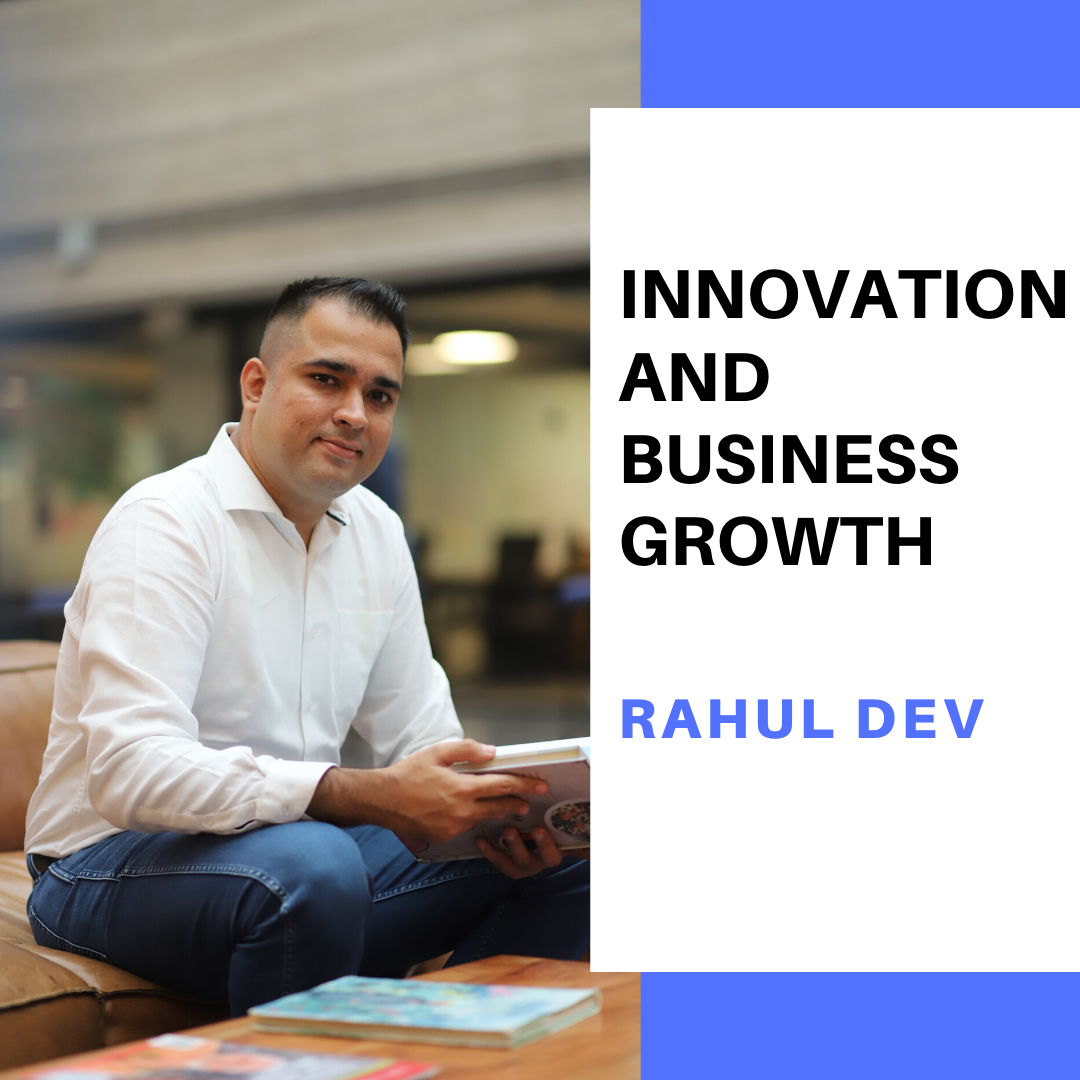
Innovation and Business Strategy
As a business coach and thought leader, I cannot emphasize enough the importance of innovation, new software patents, mobile apps, and patents for tech companies, startups, and entrepreneurs. The world is rapidly evolving, and staying ahead of the curve is vital for success. Embracing technological advancements such as blockchain and AI can unlock unprecedented opportunities, streamline operations, and propel businesses into the future with competitive valuation via intangible assets.
For instance, blockchain technology can revolutionize supply chain management and secure data sharing wherein innovative business models are explained to the audience via technical whitepapers, while AI can automate and optimize decision-making processes. Mobile apps are no longer just a luxury; they have become essential tools for engaging customers and offering personalized experiences. Furthermore, securing digital innovation patents is crucial for protecting intellectual property, fostering innovation, and maintaining a competitive edge. By investing in these areas, businesses can position themselves as industry pioneers and pave the way for a prosperous future after thoroughly conducting the due diligence and reviewing the legal opinion letters, which in case of digital assets can assist in determining the tokens as utility assets or coins as utility tokens before listing the assets at an exchange.
Video Gallery
Our team of advanced patent attorneys assists clients with patent searches, drafting patent applications, and patent (intellectual property) agreements, including licensing and non-disclosure agreements. Advocate Rahul Dev is a Patent Attorney & International Business Lawyer practicing Technology, Intellectual Property & Corporate Laws. He is reachable at rd (at) patentbusinesslawyer (dot) com & @rdpatentlawyer on Twitter.
Quoted in and contributed to 50+ national & international publications (Bloomberg, FirstPost, SwissInfo, Outlook Money, Yahoo News, Times of India, Economic Times, Business Standard, Quartz, Global Legal Post, International Bar Association, LawAsia, BioSpectrum Asia, Digital News Asia, e27, Leaders Speak, Entrepreneur India, VCCircle, AutoTech).
Regularly invited to speak at international & national platforms (conferences, TV channels, seminars, corporate trainings, government workshops) on technology, patents, business strategy, legal developments, leadership & management.
Working closely with patent attorneys along with international law firms with significant experience with lawyers in Asia Pacific providing services to clients in US and Europe. Flagship services include international patent and trademark filings, patent services in India and global patent consulting services.
Global Blockchain Lawyers (www.GlobalBlockchainLawyers.com) is a digital platform to discuss legal issues, latest technology and legal developments, and applicable laws in the dynamic field of Digital Currency, Blockchain, Bitcoin, Cryptocurrency and raising capital through the sale of tokens or coins (ICO or Initial Coin Offerings).
Blockchain ecosystem in India is evolving at a rapid pace and a proactive legal approach is required by blockchain lawyers in India to understand the complex nature of applicable laws and regulations.