
Choosing a Patent Drafting Attorney for Startups: practical scope and deliverables
Buyer decision and engagement checklist, distinct from the master service explanation.
Preparation begins with the verified invention record, the purpose of the application and the jurisdictions being considered. A patent drafting review should identify missing technical detail before filing and distinguish it from later prosecution or freedom-to-operate advice.
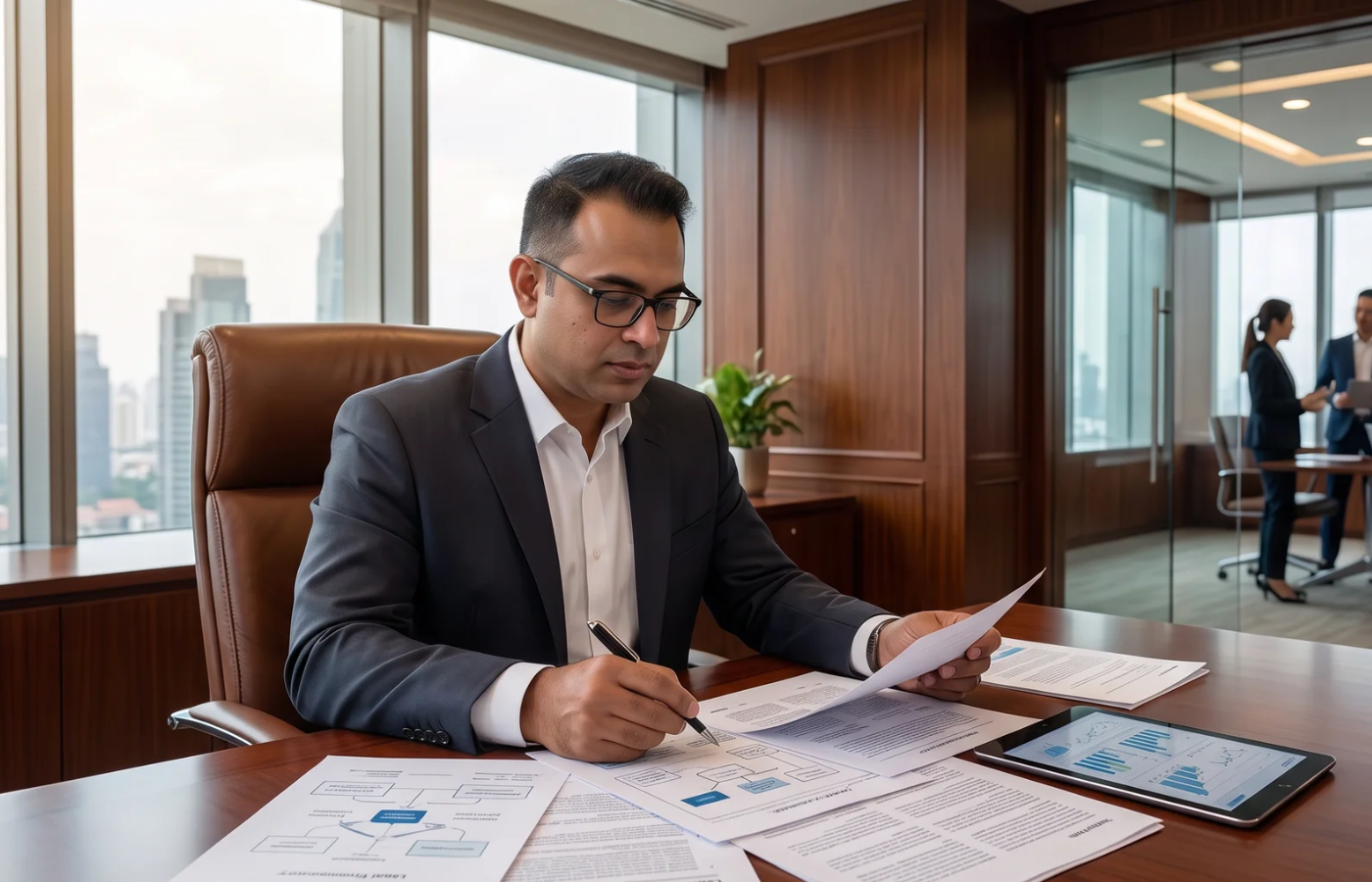
Scope the application around the technical contribution
Share a confidential invention outline, known prior art, drawings and intended filing markets. The review should identify claim-support gaps and jurisdiction-specific decisions before drafting is finalized.
Choosing a Patent Drafting Attorney for Startups: detailed guide
A startup should assess a patent drafting professional by technical competence, claim strategy, communication, conflicts, scope of work and cross-border filing coordination—not by promises of grant or unsupported success rates.
This guide focuses on buyer selection, technical interview, scope of services, fee governance and output review. A drafting decision should connect the original technical disclosure with the actual claims and intended filing requirements. It should not treat a filing receipt as proof of patent grant, commercial freedom to operate or enforceable rights in every country. Where material is missing from the inventor record, the proper next action is clarification rather than invented examples or unsupported outcomes.
Start with the invention and business context
Prepare a confidential technical brief that states the invention’s mechanism, problem, competitive environment and intended jurisdictions. The goal is to assess how a prospective drafting professional thinks about the actual technology. Ask which features appear technically distinctive, what prior art should be checked and what information is missing. A polished marketing proposal is less informative than a careful discussion of claim boundaries, disclosure support and likely technical questions.
Evaluate subject-matter understanding
A useful patent drafter can translate inventor explanations into technical claim architecture. Ask how the professional would handle system interactions, process steps, alternatives and fallback claims in the relevant field. For software, examine whether they distinguish technical functionality from business objectives; for medtech, ask how they coordinate mechanical, electronic and software disclosure. The professional need not be the inventor, but should know what questions to ask and when to seek specialist assistance.
Clarify the services being purchased
Patentability searching, application drafting, filing, prosecution, FTO and strategic advice are separate services. An engagement should identify which tasks are included and which require additional authorization. A narrow drafting fee may exclude drawings, office actions, foreign agent costs and prior-art analysis. Confirm who will review the inventor disclosure, prepare claims, handle technical corrections and authorize filing. Avoid general assurances that a single quoted fee covers all future patent protection.
Ask for a claim-support process
The USPTO written-description guidance and EPO support practice show why claim scope must be tied to original disclosure. Ask whether the drafter prepares a technical support matrix and how unsupported claims are flagged. A good process should reveal missing inventor information before filing and maintain a controlled review record. The draft should not be approved merely because the claims sound broad or impressive.
Assess international coordination
If a startup targets multiple regions, ask how the drafter coordinates PCT, Paris Convention and direct national filings, including local-agent review. The PCT description requirements can inform the common initial disclosure, but national offices retain separate grant decisions. Confirm who tracks deadlines, priority assertions and national-phase choices. A claim set suitable for one office may require changes elsewhere, provided the original application supports them.
Control fees, conflicts and confidentiality
The engagement should state billing assumptions, deliverables, revision rounds, third-party expenses, conflict screening and confidential information handling. Disclose public-demo dates and contract obligations before filing decisions are made. Ask whether the firm or professional may share the invention with technical illustrators, foreign agents or service providers, and what controls apply. Keep the startup’s final filed documents, source figures and correspondence accessible to authorized personnel.
Define review and accountability
Agree on inventor interviews, draft review cycles, response expectations and the decision process for unresolved technical points. The inventor should verify factual statements while counsel reviews legal strategy and forms. Ask how the draft will be checked for claims, figures, priority and ownership. Do not accept a guarantee of grant, enforcement value or non-infringement; these outcomes depend on third-party prior art, legal standards and later procedural events.
Make selection a recorded decision
Compare candidates against the same dimensions: technical relevance, written scope, lead drafter involvement, transparent fees, geographic coordination and QA process. Keep records of assumptions and reasons for selection. A startup may sensibly choose different advisors for invention capture, prosecution, FTO and commercialization as its needs change. What matters is a reliable technical and legal workflow with clear responsibility for every filing decision.
Practical review checklist
- Technical field demonstrated
- Scope and deliverables documented
- Prior art/FTO distinction understood
- Written-description QA process
- Foreign agent/filing responsibilities
- Fees and revision limits transparent
- Conflicts and confidentiality assessed
- Inventor sign-off and file access
Frequently asked questions
Should startups choose an attorney by claimed approval rate?
No. Approval statistics may be incomparable, unverifiable or disconnected from the technical field. Evaluate actual drafting process, subject-matter competence and transparent scope.
Who owns the draft application and invention materials?
Ownership and access should be addressed explicitly in engagement, employment or assignment documents. Confirm the client’s right to obtain the files and relevant records after the engagement.
Can one professional file in every country?
Patent representation requirements and local practice vary. International strategies often involve coordinating qualified local agents or attorneys for each office.
What should a fixed-fee quote specify?
State what is included: inventor interview, search scope, claims, drawings, filing forms, revisions, jurisdictions and whether office-action responses or translations are separate.
Primary legal and examination references
Apply these official sources to the relevant jurisdiction and filing stage. Their requirements differ; the source that controls a particular filing should be checked at the time of action.
- USPTO MPEP §2163 — Written description
- EPO 2026 — Support in description
- WIPO PCT Rule 5 — Description
Related drafting and patent research
For overall filing strategy, see Patent Drafting Services for Startups, What Is Patent Drafting?, and Patent Drafting and Prior Art Search. For specialized follow-up topics, continue with the guides below.
Technical disclosure, defensible claims and filing decisions belong together
A patent draft is only as useful as its technical teaching, supported claim scope and consistent filing record. Review the original disclosure before adding limitations or promising outcomes.
Patent research, drafting and commercialization resources
Prepare an application that can be reviewed against the original invention
Provide the technical disclosure, existing claims or draft, reference figures, closest known prior art and intended filing offices. Receive a scope review identifying drafting questions and the inputs needed for an accurate filing package.
Author: Dr. Rahul Dev. Publisher: Hashchain Consulting Group USA. General educational information; patent filing decisions require a case-specific professional review.