
Patent Drafting Checklist: practical scope and deliverables
Practical operational checklist: who supplies what at each gate, not a specification-writing tutorial.
Preparation begins with the verified invention record, the purpose of the application and the jurisdictions being considered. A patent drafting review should identify missing technical detail before filing and distinguish it from later prosecution or freedom-to-operate advice.
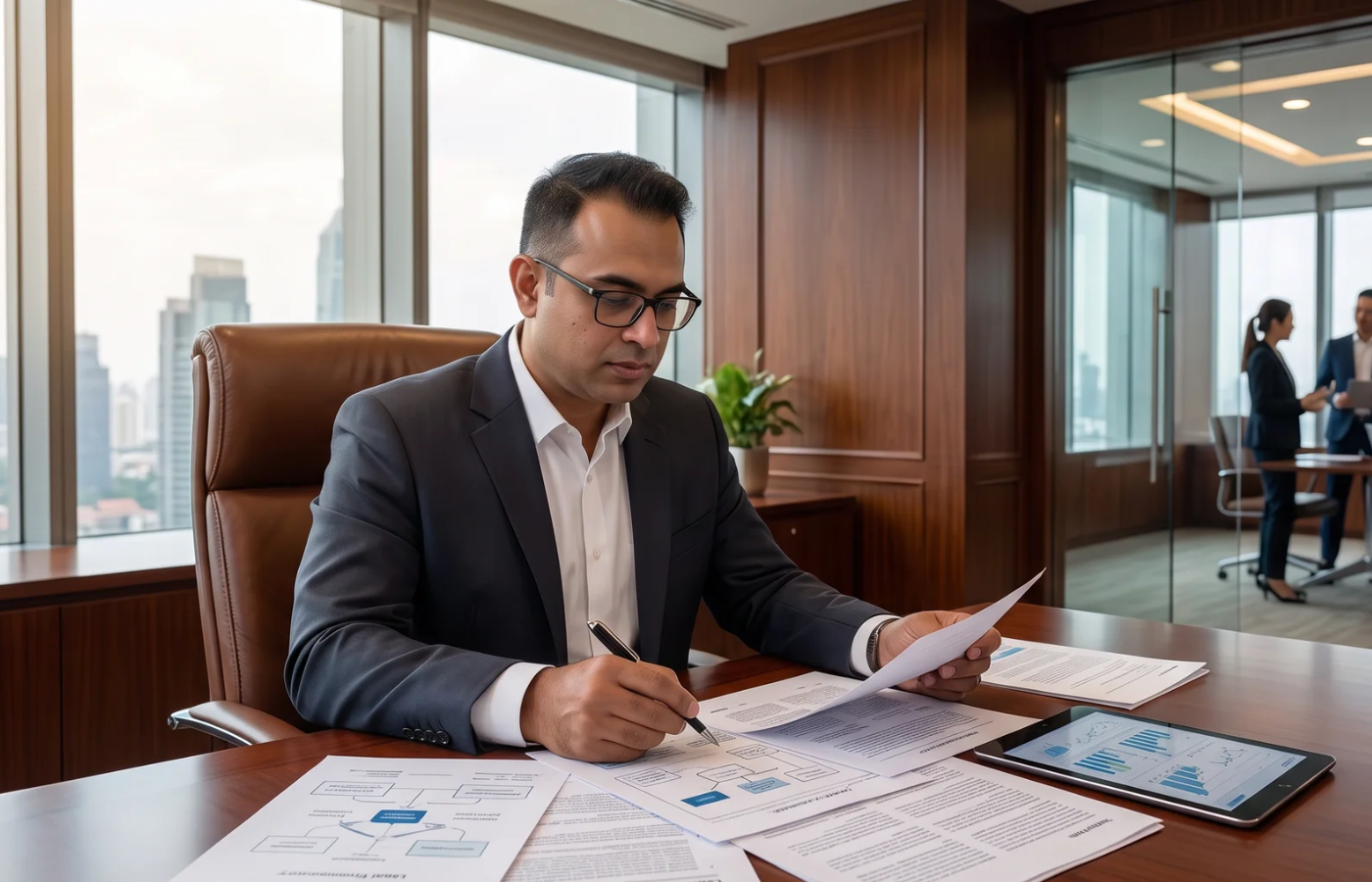
Scope the application around the technical contribution
Share a confidential invention outline, known prior art, drawings and intended filing markets. The review should identify claim-support gaps and jurisdiction-specific decisions before drafting is finalized.
Patent Drafting Checklist: detailed guide
Use a staged patent drafting checklist to track disclosure completeness, prior art, claim support, drawings, ownership and final filing readiness. A checklist reduces omissions but cannot replace a technical or legal review.
This guide focuses on invention intake and stage-gate workflow from first disclosure through approved filing package. A drafting decision should connect the original technical disclosure with the actual claims and intended filing requirements. It should not treat a filing receipt as proof of patent grant, commercial freedom to operate or enforceable rights in every country. Where material is missing from the inventor record, the proper next action is clarification rather than invented examples or unsupported outcomes.
Gate 1: qualify the invention disclosure
Begin with an identifiable technical problem, the proposed mechanism, inventors, development history and a dated disclosure. Ask for system drawings, representative inputs and outputs, test records and realistic alternatives. Note commercially important features that have not yet been implemented. The checklist should clearly distinguish known facts from experiments still planned. Without that distinction, a reviewer might assume the draft includes technical support that the inventor has not supplied.
Gate 2: control confidentiality and ownership
List public demos, press releases, repositories, customer pilots, pitches and product launches with exact dates. Collect employment and contractor agreements, assignment arrangements and information about jointly developed work. An invention may involve several contributors, but inventor status is not necessarily identical to employee or shareholder status. Check the applicant’s right to file and note any international filing constraints that require further analysis. This step belongs before substantive content is circulated to unnecessary recipients.
Gate 3: search prior art and define the invention
Use the separate prior-art search workflow to collect closest patents and non-patent literature. Translate the search into a feature comparison, not a yes/no novelty slogan. Identify whether a proposed distinction is genuinely technical and described in enough detail. Record the search date, query methods, key references and unresolved areas. The checklist should explicitly state that patentability search and freedom-to-operate search answer different questions.
Gate 4: prepare the independent claim
Review the independent claim for essential relationships, antecedent basis, technical coherence, support and unnecessary restrictions. Ask whether every limitation is present in a disclosed embodiment and whether the combination expresses the intended technical advance. Broad language without adequate description can create risk; over-specific brand names or implementation details can constrain useful scope. The checklist should identify proposed fallback limitations before the supporting embodiments are finalized.
Gate 5: validate dependent claims and examples
Organize dependent claims around technical alternatives and features with strategic value. Trace each back to a passage or drawing. Ensure the description covers actual operating sequences, unusual conditions and meaningful design choices. In US practice, MPEP §2163 explains why claim support in the original disclosure matters. Do not add speculative test results to make examples look more complete.
Gate 6: check drawings and consistency
Match figure titles, reference numerals, component labels, flowchart steps and textual definitions. Use the relevant drawing rules for the selected office; the USPTO MPEP §608.02 describes drawing requirements in US applications. Each depicted feature should be understandable and consistently named. Check whether a figure suggests a mandatory sequence when the specification describes alternatives. Ensure every referenced figure exists in the package.
Gate 7: verify the filing details
Check title, names, priority claims, applicant status, cross-references, abstract, required forms, drawings and any sequence-listing or electronic-file format needs. For PCT applications, Rule 5 and Rule 11 provide description and physical requirements. Build the actual filing checklist from the receiving office’s current instructions, not a generic template from a past year.
Gate 8: record approvals and future actions
Freeze the approved version, keep a sign-off trail and record relevant deadlines for later filings. Note any limitations that are intentionally left to a later application or continuation strategy. A completed checklist documents decisions; it is not a certificate that claims will be granted or withstand litigation. Reopen the checklist whenever a material technical change occurs before filing. Maintain a separate post-filing docket and prosecution-response record.
Practical review checklist
- Dated, technically complete inventor disclosure
- Ownership and public-disclosure review
- Closest art and feature comparison
- Independent claim with support
- Dependent fallback hierarchy
- Consistent drawings and definitions
- Jurisdiction-specific forms/filing data
- Inventor, applicant and filer approval
Frequently asked questions
Who should complete the checklist?
Inventors should confirm technical facts and examples, project owners should verify ownership and deadlines, and qualified patent counsel should review claims, jurisdictional requirements and legal risk.
What should be checked before sharing with investors?
Record whether the information will be public, whether confidentiality obligations apply and whether the filing plan covers the material being disclosed. Timing consequences differ by country.
Does one checklist cover all countries?
No. The technical intake can be shared, but forms, claim formats, drawings, language and filing particulars vary by office. Use a jurisdiction-specific addendum.
What is the final sign-off?
The inventor approves technical accuracy, the applicant confirms authority and ownership, and the filing professional verifies the package, priority data, signatures and official requirements.
Primary legal and examination references
Apply these official sources to the relevant jurisdiction and filing stage. Their requirements differ; the source that controls a particular filing should be checked at the time of action.
- USPTO MPEP §608 — Disclosure
- USPTO MPEP §2163 — Written description
- WIPO PCT Rule 5 — Description
- WIPO PCT Rule 11 — Physical requirements
Related drafting and patent research
For overall filing strategy, see Patent Drafting Services for Startups, What Is Patent Drafting?, and Patent Drafting and Prior Art Search. For specialized follow-up topics, continue with the guides below.
Technical disclosure, defensible claims and filing decisions belong together
A patent draft is only as useful as its technical teaching, supported claim scope and consistent filing record. Review the original disclosure before adding limitations or promising outcomes.
Patent research, drafting and commercialization resources
Prepare an application that can be reviewed against the original invention
Provide the technical disclosure, existing claims or draft, reference figures, closest known prior art and intended filing offices. Receive a scope review identifying drafting questions and the inputs needed for an accurate filing package.
Author: Dr. Rahul Dev. Publisher: Hashchain Consulting Group USA. General educational information; patent filing decisions require a case-specific professional review.