
PCT Patent Drafting: practical scope and deliverables
PCT-specific drafting mechanics distinct from cross-border strategy and claim amendments.
Preparation begins with the verified invention record, the purpose of the application and the jurisdictions being considered. A patent drafting review should identify missing technical detail before filing and distinguish it from later prosecution or freedom-to-operate advice.
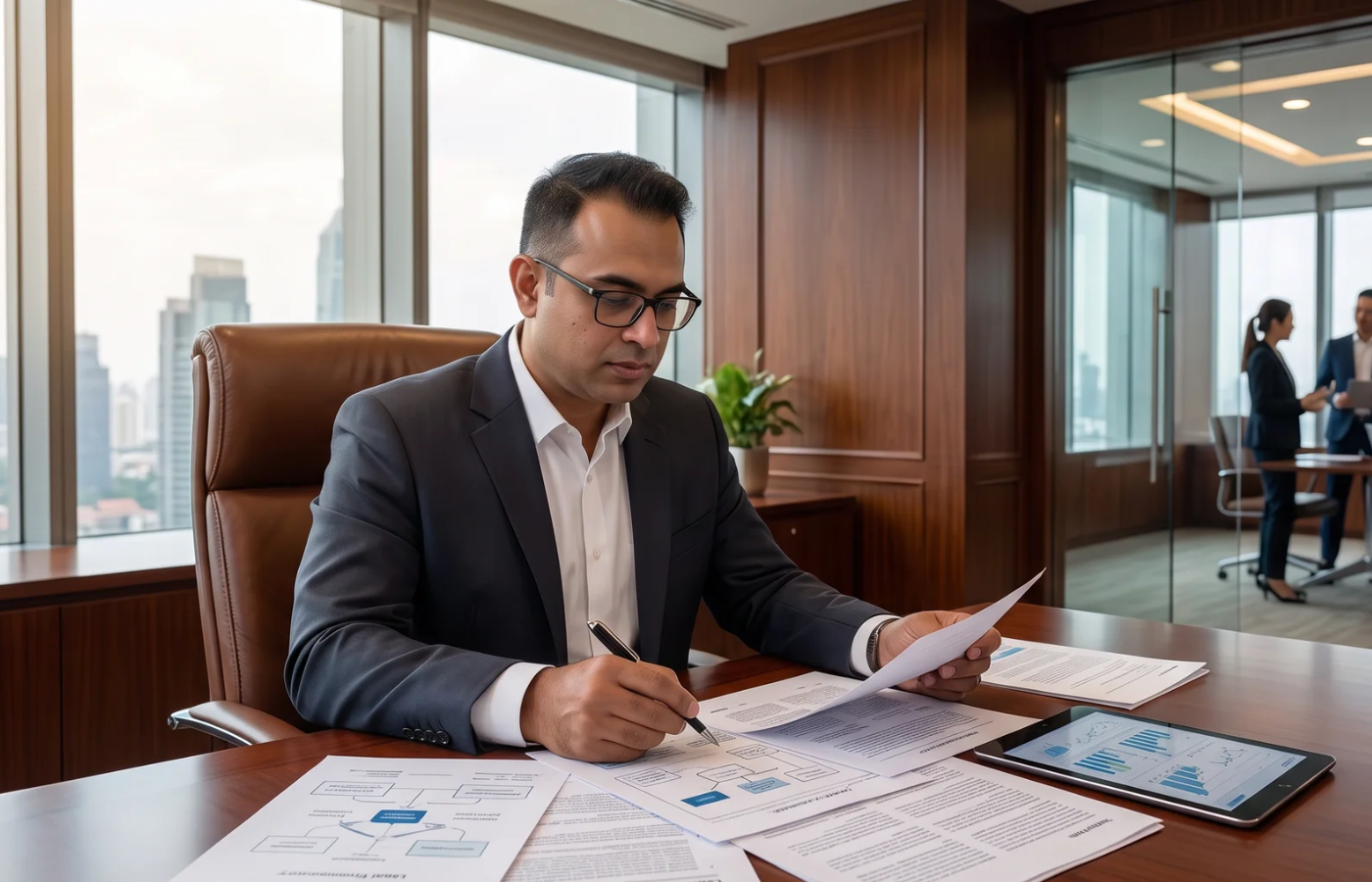
Scope the application around the technical contribution
Share a confidential invention outline, known prior art, drawings and intended filing markets. The review should identify claim-support gaps and jurisdiction-specific decisions before drafting is finalized.
PCT Patent Drafting: detailed guide
A PCT application needs a technically adequate description, clear claims, appropriate drawings and consistent filing materials. Its international search is not a worldwide patent grant, and future national-phase claims remain constrained by the original disclosure.
This guide focuses on PCT document preparation and claims/description support for international-phase filing. A drafting decision should connect the original technical disclosure with the actual claims and intended filing requirements. It should not treat a filing receipt as proof of patent grant, commercial freedom to operate or enforceable rights in every country. Where material is missing from the inventor record, the proper next action is clarification rather than invented examples or unsupported outcomes.
Understand the function of a PCT application
A PCT filing provides a common international application and search process. It does not independently create a granted global patent. Its original disclosure can support later national and regional examination, so the document should anticipate the technical variations relevant to major target countries. Drafting should be driven by what the invention actually teaches and the relevant search findings, not by a belief that the international system will automatically accept every requested claim.
Prepare the description under Rule 5
PCT Rule 5 addresses technical field, background art, disclosure, advantages where applicable, figures and implementation. A useful description explains the invention as claimed so that the technical problem and solution are understandable. Record real examples and relevant alternatives. Avoid writing only a broad business objective or an abstract benefit without operational content. In software or AI inventions, describe system components, data pathways and meaningful constraints rather than a single unexplained algorithm box.
Draft claims with technical dependencies
The independent claims should identify the essential technical combination, while dependent claims add meaningful supported alternatives. Avoid unrelated limitations used merely to increase the count. Claims should be consistent with the description and figures, and their scope must be considered against relevant prior art. A broad independent claim may be useful but needs sufficient original support for important claimed variants. Maintain a mapping between claim features and textual passages in the application.
Prepare figures and application formalities
International drawing requirements appear in PCT Rule 11. Check the legibility of labels, figure order, reference signs, sheet format and reproduction quality. A flowchart or block diagram should be explained in the written description, including supported variations and relevant interactions. Verify that the request, description, claims, abstract and drawings match and that the receiving office’s current filing instructions are followed.
Manage the international search response
The international search report and written opinion can identify prior art relevant to claims. They should prompt an evidence-based review rather than an automatic narrowing of every claim. Record which references disclose each claimed feature and where the original description supports alternative positions. The report is informative but does not finally determine national patents. A response plan should distinguish voluntary claim amendments from formal corrections and future national-phase decisions.
Understand Article 19 and Article 34 amendments
WIPO guidance explains that Article 19 allows a claims-only amendment opportunity after the international search report; Article 34 can permit changes to claims, description and drawings where international preliminary examination is pursued. Both are subject to conditions and no-new-matter limits. The original draft should therefore disclose the alternatives that might later be used to distinguish prior art without trying to create new technical teaching through an amendment.
Prepare for national phase differences
National-phase entry is not a routine confirmation that the original claims are allowable. Each office applies its own substantive law; translation, claim formats, examination requests and other formalities may differ. Work with local professionals on eligibility, support and prosecution strategy. Keep a clear original disclosure, accurate priority record and family register so each later claim can be assessed against the original application and any relevant earlier filings.
Make the final PCT package auditable
Document inventor names, applicant authority, filing language, title, priority claims, figures, claims, search assumptions and the approved version. Check that the source files are readable, consistent and complete. Avoid unstated assumptions about national filing deadlines; use current official country guidance for the countries ultimately selected. Save the international filing receipt and maintain a docket for search, publication, amendments and national-phase events.
Practical review checklist
- PCT request and priority information checked
- Rule 5 description sections present
- Claim hierarchy supported
- Rule 11 drawing quality verified
- Abstract and reference signs consistent
- Search report response strategy defined
- Amendment support preserved
- National-phase docket established
Frequently asked questions
Does a PCT application grant a patent?
No. It is an international application procedure. National or regional offices ultimately decide whether to grant rights under their applicable laws.
What must the PCT description include?
PCT Rule 5 sets out the description framework, including technical field, background art, disclosure of the invention, figures and at least a mode of carrying it out.
How are drawings handled?
PCT Rule 11 sets physical and drawing requirements. Figures, reference characters and the detailed description should be checked together.
Can claims change after the international search report?
Yes, in specified ways and time windows under Articles 19 and 34. Amendments cannot properly add subject matter beyond the disclosure as filed.
Primary legal and examination references
Apply these official sources to the relevant jurisdiction and filing stage. Their requirements differ; the source that controls a particular filing should be checked at the time of action.
- WIPO PCT Rule 5 — Description
- WIPO PCT Rule 11 — Physical requirements
- WIPO — Amendments under Articles 19 and 34
- USPTO MPEP §2163 — Written description
Related drafting and patent research
For overall filing strategy, see Patent Drafting Services for Startups, What Is Patent Drafting?, and Patent Drafting and Prior Art Search. For specialized follow-up topics, continue with the guides below.
Technical disclosure, defensible claims and filing decisions belong together
A patent draft is only as useful as its technical teaching, supported claim scope and consistent filing record. Review the original disclosure before adding limitations or promising outcomes.
Patent research, drafting and commercialization resources
Prepare an application that can be reviewed against the original invention
Provide the technical disclosure, existing claims or draft, reference figures, closest known prior art and intended filing offices. Receive a scope review identifying drafting questions and the inputs needed for an accurate filing package.
Author: Dr. Rahul Dev. Publisher: Hashchain Consulting Group USA. General educational information; patent filing decisions require a case-specific professional review.