




Canonical URL: https://patentbusinesslawyer.com/intelligence/analytics/ai-and-software-licensing-contract-trends/
Status: editorial review draft; NOT approved for publication
Primary query hypothesis: ai and software licensing contract trends
Audience: IP portfolio owners, corporate innovation teams, investors and technology licensing managers
Category: Global patent analytics and business-intelligence directory
Freshness: F1/F2 — official statistical releases and technology change
Understand AI and software licensing contracts before making a patent or business decision
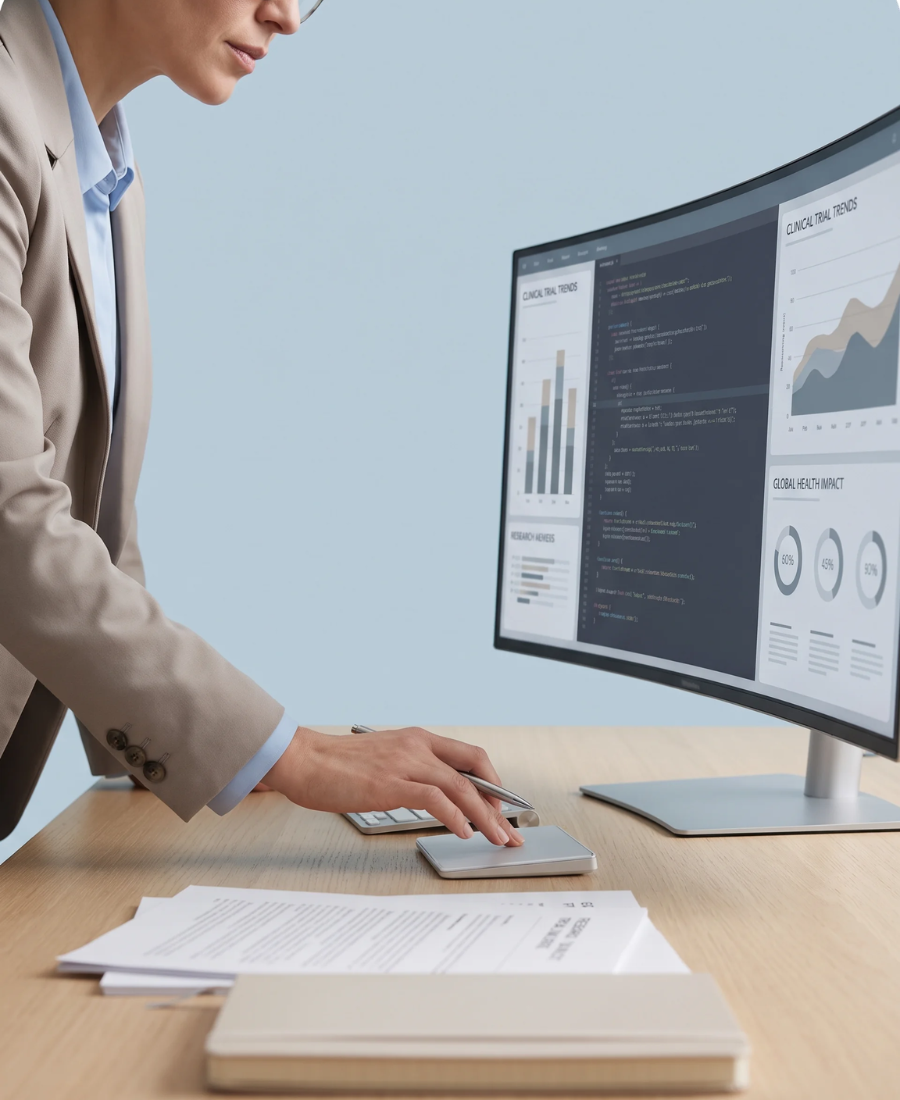
Seven AI-source controls are required in the production hero; standalone previews intentionally do not pretend to implement live provider integrations.
Plain-language answer and the decision it affects
Data interpretation for AI and software licensing contracts
Copyright and licensing principles inform many AI software contracts, but local law, specific vendor terms and factual product architecture decide the transaction. The source is a starting point for observed activity, not a ready-made ranking of investment value or an independently observed licensing market. Where no numerical measure specific to ai and software licensing contracts is available in this research packet, display a methodology and an evidence gap rather than make up a statistic.
Who should use this resource and what it can deliver
Proposed offer: AI software licensing contract comparison assessment. The practical proposed output is an issue-specific source map, document request checklist, decision table and prioritized follow-up questions—not a certificate, guarantee of legal rights, guaranteed search position or numeric valuation unsupported by transaction evidence.
Ten research checks before making the decision
- Model weights versus API access. Define the population or legal question behind this indicator before collecting figures. Test which records would support a defensible conclusion about ai and software licensing contracts, including dates, country coverage and ownership or technology definitions. Explicitly separate what can be observed from what would require claim review, company-level transaction evidence or additional proprietary data.
- Training-data permissions. Define the population or legal question behind this indicator before collecting figures. Test which records would support a defensible conclusion about ai and software licensing contracts, including dates, country coverage and ownership or technology definitions. Explicitly separate what can be observed from what would require claim review, company-level transaction evidence or additional proprietary data.
- User input confidentiality. Define the population or legal question behind this indicator before collecting figures. Test which records would support a defensible conclusion about ai and software licensing contracts, including dates, country coverage and ownership or technology definitions. Explicitly separate what can be observed from what would require claim review, company-level transaction evidence or additional proprietary data.
- Output use and indemnity. Define the population or legal question behind this indicator before collecting figures. Test which records would support a defensible conclusion about ai and software licensing contracts, including dates, country coverage and ownership or technology definitions. Explicitly separate what can be observed from what would require claim review, company-level transaction evidence or additional proprietary data.
- Model update and drift. Define the population or legal question behind this indicator before collecting figures. Test which records would support a defensible conclusion about ai and software licensing contracts, including dates, country coverage and ownership or technology definitions. Explicitly separate what can be observed from what would require claim review, company-level transaction evidence or additional proprietary data.
- Open-source component licences. Define the population or legal question behind this indicator before collecting figures. Test which records would support a defensible conclusion about ai and software licensing contracts, including dates, country coverage and ownership or technology definitions. Explicitly separate what can be observed from what would require claim review, company-level transaction evidence or additional proprietary data.
- Audit and security evidence. Define the population or legal question behind this indicator before collecting figures. Test which records would support a defensible conclusion about ai and software licensing contracts, including dates, country coverage and ownership or technology definitions. Explicitly separate what can be observed from what would require claim review, company-level transaction evidence or additional proprietary data.
- Subprocessors and vendors. Define the population or legal question behind this indicator before collecting figures. Test which records would support a defensible conclusion about ai and software licensing contracts, including dates, country coverage and ownership or technology definitions. Explicitly separate what can be observed from what would require claim review, company-level transaction evidence or additional proprietary data.
- Termination and data export. Define the population or legal question behind this indicator before collecting figures. Test which records would support a defensible conclusion about ai and software licensing contracts, including dates, country coverage and ownership or technology definitions. Explicitly separate what can be observed from what would require claim review, company-level transaction evidence or additional proprietary data.
- Choice of law and remedy structure. Define the population or legal question behind this indicator before collecting figures. Test which records would support a defensible conclusion about ai and software licensing contracts, including dates, country coverage and ownership or technology definitions. Explicitly separate what can be observed from what would require claim review, company-level transaction evidence or additional proprietary data.
Comparison and decision analytics
Global directory and intelligence layer
For AI and software licensing contracts, the recommended directory categories include: Patent-office statistics, WIPO data definitions, published patent documents, company ownership records and relevant business or technology disclosures. Each addresses a different analytical question. Do not mix government offices with private advisers in an undifferentiated ranking. An entity named in an official directory is not automatically available for a particular transaction or recommended by this website.
What the current official sources establish
Primary official reference: https://www.wipo.int/en/web/copyright
Cross-market research source: https://www.wipo.int/web-publications/world-intellectual-property-indicators-2026/en/patent-statistics.html
Middle consultation CTA — Turn unknowns into a documented next step
Request a scoped ai software licensing contract comparison assessment if your team has a defined technology, agreement, portfolio or country issue. The recommended first deliverable is an evidence-request list that explains the unanswered questions, required expertise and any proposed follow-up investigation before legal conclusions are drawn.
Implementation checklist and limits
Bottom consultation CTA — Make the evidence useful to the next decision
Discuss a focused ai software licensing contract comparison assessment. A sensible initial meeting defines the most consequential uncertainty, available documents, project boundaries and a realistic decision output. The next step is a scoped assessment, not a promise to find a buyer, secure a licence, establish enforceability or obtain an investment.
Publication research record
- Official source checked for the editorial starting point: https://www.wipo.int/en/web/copyright
- World comparison source: https://www.wipo.int/web-publications/world-intellectual-property-indicators-2026/en/patent-statistics.html
- Per-page GSC/Bing search volume: unavailable in the supplied source files; not verified
- Third-party company names, deals and current law: verify separately before publication
Primary references and source limits
These source links were supplied in the editorial planning records. Their presence does not verify every factual or legal statement on this page; review the current source and record the relevant passage, date and jurisdiction before publication.
Scope a review of the evidence, rights and decisions relevant to this topic.
Discuss AI and Software Licensing Contract TrendsScope a review of the evidence, rights and decisions relevant to this topic.
Discuss AI and Software Licensing Contract Trends