Industry research · Global consulting

Insurance technology

Map technology opportunities, claims automation, data use and partnership models in insurance. For insurtech startups; carriers; distribution partners, with a defined evidence register, practical research outputs and commercially actionable questions.

Technical & market intelligencePatent & innovation strategyGlobal research
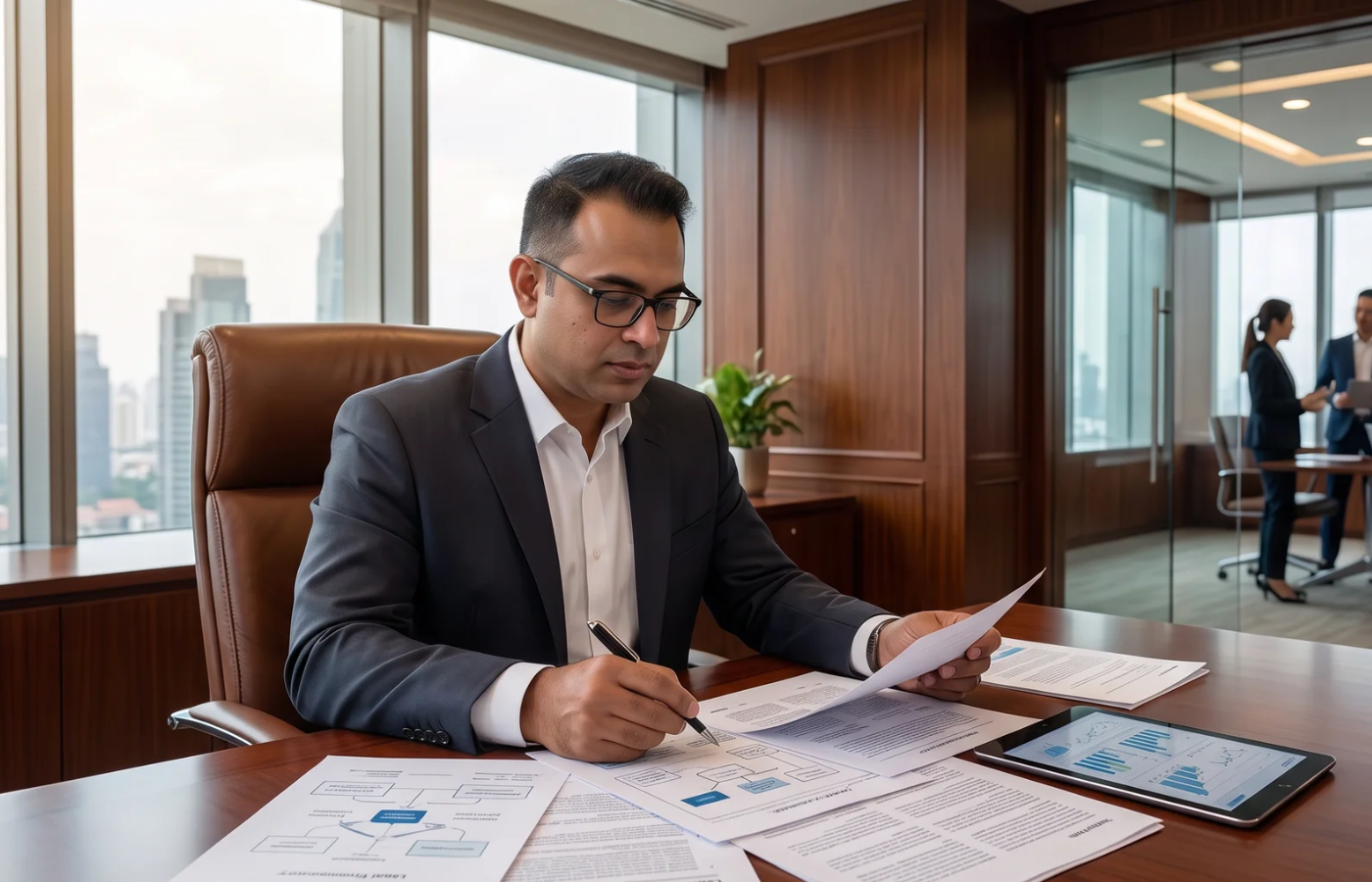
Editorial research illustration for Insurance technology
Sector decision context

Define the evidence before making the decision

Map technology opportunities, claims automation, data use and partnership models in insurance. This work begins by locating the actual proposed transaction, investment, development roadmap or procurement decision. Published specifications, prototype demonstrations, research articles and vendor documents carry different evidentiary weight. An evidence register should identify the source, date, method and limitations of each claim.

The research framework is relevant to insurtech startups; carriers; distribution partners. It is structured around the economic purpose of the decision, the maturity of the technology, operational dependencies and unresolved rights or regulatory questions. No provider performance, client result or certification is assumed.
Specialist context

Three issues that should not be conflated

RESEARCH AREA 01

Insurance distribution structures

Distinguish insurer, intermediary, embedded distribution partner and technology vendor. Map who bears insurance risk, controls underwriting terms, collects premiums and handles customer communication. A software provider-reported claims must not be mistaken for the contractual obligations of a carrier.

RESEARCH AREA 02

Claims and decision-support systems

Review source data, fraud detection, triage automation, explanation records and human escalation. Automation benchmarks should be evaluated against delay, unfair refusal and appeal risk, not just processing time. Model use does not remove the need for responsible review.

RESEARCH AREA 03

Regulated product and actuarial boundaries

Compare technology opportunities using published insurer metrics and clearly defined assumptions. Insurance authorization, solvency and actuarial work require licensed or appropriately qualified experts. Industry standards such as IAIS guidance support research framing but do not approve a product.

Decision-oriented research

Priority questions and suggested work products

WORKSTREAM 01

digital distribution and embedded insurance

Identify the main alternatives, original data and practical tests relevant to this issue. Record which information is confirmed, which depends on vendor claims and what further review would change the decision.

Possible output: insurance technology landscape. The document would distinguish verified observations, assumptions and open items for specialist input.

WORKSTREAM 02

claims, underwriting and decision-support systems

Identify the main alternatives, original data and practical tests relevant to this issue. Record which information is confirmed, which depends on vendor claims and what further review would change the decision.

Possible output: carrier-partner diligence register. The document would distinguish verified observations, assumptions and open items for specialist input.

WORKSTREAM 03

customer treatment and data governance

Identify the main alternatives, original data and practical tests relevant to this issue. Record which information is confirmed, which depends on vendor claims and what further review would change the decision.

Possible output: claims workflow and risk map. The document would distinguish verified observations, assumptions and open items for specialist input.

Illustrative project design

How an assignment could be scoped

A representative insurance technology assignment begins when insurtech startups must compare a technical or commercial option before an external commitment. The initial deliverable is not a broad industry summary: it is a structured comparison of available evidence against agreed decision criteria. That comparison would specify the technology boundary, relevant actors, commercial dependencies, territorial assumptions, assumptions requiring validation and what evidence is not available in the public record.

Example only: This is an illustrative workflow and does not describe an actual client engagement or promised outcome.
Working process

From unclear technology claims to a reviewable brief

STEP 01

Frame

Agree on the buyer decision, use case, relevant competitors, time horizon, document access and jurisdiction-specific questions.

STEP 02

Review

Collect primary technical standards, published research, patents, contracts and reproducible facts, recording version and provenance.

STEP 03

Compare

Develop a transparent comparison matrix; rank evidence quality and note where market and performance figures are not independently verified.

STEP 04

Deliver

Present a short decision memo, source log, options register, practical next steps and referral points for specialist review.

Evidence and professional boundaries

Distinguish research from regulated assurance

Insurance product approval, actuarial opinions, solvency assessment and regulated distribution require appropriate licensed specialists.

Depending on the assignment, separate local counsel, licensed professionals, accredited laboratories, auditors or technical testing specialists may be needed. This page does not certify a product, approve a regulated activity, predict market performance or establish legal rights in any territory.

Sources and connected research

Primary references and published internal resources

External references provide a starting point for technical or institutional questions. Verify source date, applicable version and territorial scope before relying on them in a project.

International Association of Insurance Supervisors — primary source

Frequently asked questions

Planning a insurance technology research brief

How is the scope defined?

Start with the decision being considered, evidence that would change it, available technical or commercial records and a fixed review date. The initial research may focus on digital distribution and embedded insurance and claims, underwriting and decision-support systems, but the final scope depends on the project.

Will the research certify a product or establish legal compliance?

No. Insurance product approval, actuarial opinions, solvency assessment and regulated distribution require appropriate licensed specialists. Additional engineering validation, independent assessment or qualified territorial advice may be necessary.

What deliverables could we discuss?

Illustrative options include insurance technology landscape, carrier-partner diligence register and claims workflow and risk map. Deliverable details and access to sensitive materials are agreed before work begins.

Global consulting enquiries

Discuss a defined research project

Describe the product or industry, decision deadline, relevant countries and expected work product. Please do not submit confidential or sensitive materials until the appropriate engagement process is agreed.