Industry research · Global consulting

Developer tools and APIs

Research API ecosystems, developer tooling, distribution models and software assurance requirements. For developer platform founders; api providers; engineering leaders, with a defined evidence register, practical research outputs and commercially actionable questions.

Technical & market intelligencePatent & innovation strategyGlobal research
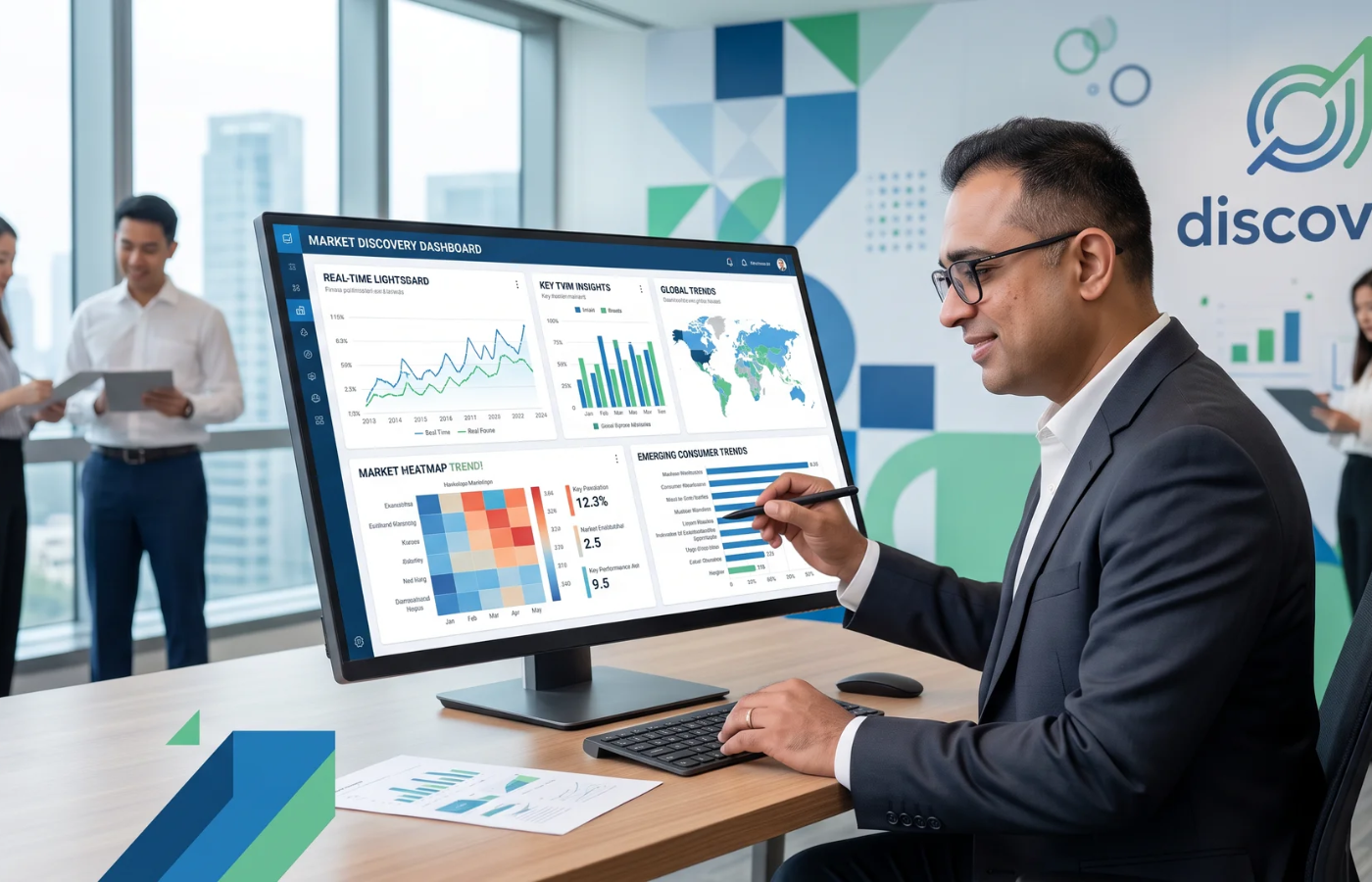
Editorial research illustration for Developer tools and APIs
Sector decision context

Define the evidence before making the decision

Research API ecosystems, developer tooling, distribution models and software assurance requirements. This work begins by locating the actual proposed transaction, investment, development roadmap or procurement decision. Published specifications, prototype demonstrations, research articles and vendor documents carry different evidentiary weight. An evidence register should identify the source, date, method and limitations of each claim.

The research framework is relevant to developer platform founders; api providers; engineering leaders. It is structured around the economic purpose of the decision, the maturity of the technology, operational dependencies and unresolved rights or regulatory questions. No provider performance, client result or certification is assumed.
Specialist context

Three issues that should not be conflated

RESEARCH AREA 01

Developer adoption requires technical and commercial evidence

Compare documented APIs, SDK maintenance, support channels, onboarding time and integration failure modes. Measure developer experience with representative tasks instead of relying solely on download counts or online stars. Pricing friction, rate limits and breaking changes may dominate adoption decisions.

RESEARCH AREA 02

Interfaces and lifecycle dependencies

Document authentication, versioning, idempotency, error codes, service-level commitments and deprecation policies. Analyze the effort required to migrate a customer when an endpoint or schema changes. Compatibility promises should be verified against real implementation constraints.

RESEARCH AREA 03

Supply-chain and intellectual-property questions

Record package provenance, open-source dependencies, signed releases and vulnerability disclosure channels. Supplier representations about secure development may be mapped against NIST SSDF for due diligence, without presenting an audit or formal assurance opinion.

Decision-oriented research

Priority questions and suggested work products

WORKSTREAM 01

API design, versioning and interoperability

Identify the main alternatives, original data and practical tests relevant to this issue. Record which information is confirmed, which depends on vendor claims and what further review would change the decision.

Possible output: developer-platform market map. The document would distinguish verified observations, assumptions and open items for specialist input.

WORKSTREAM 02

developer adoption, SDKs and ecosystem barriers

Identify the main alternatives, original data and practical tests relevant to this issue. Record which information is confirmed, which depends on vendor claims and what further review would change the decision.

Possible output: API dependency and partner register. The document would distinguish verified observations, assumptions and open items for specialist input.

WORKSTREAM 03

secure development lifecycle and open components

Identify the main alternatives, original data and practical tests relevant to this issue. Record which information is confirmed, which depends on vendor claims and what further review would change the decision.

Possible output: release and provenance diligence checklist. The document would distinguish verified observations, assumptions and open items for specialist input.

Illustrative project design

How an assignment could be scoped

A representative developer tools and apis assignment begins when developer platform founders must compare a technical or commercial option before an external commitment. The initial deliverable is not a broad industry summary: it is a structured comparison of available evidence against agreed decision criteria. That comparison would specify the technology boundary, relevant actors, commercial dependencies, territorial assumptions, assumptions requiring validation and what evidence is not available in the public record.

Example only: This is an illustrative workflow and does not describe an actual client engagement or promised outcome.
Working process

From unclear technology claims to a reviewable brief

STEP 01

Frame

Agree on the buyer decision, use case, relevant competitors, time horizon, document access and jurisdiction-specific questions.

STEP 02

Review

Collect primary technical standards, published research, patents, contracts and reproducible facts, recording version and provenance.

STEP 03

Compare

Develop a transparent comparison matrix; rank evidence quality and note where market and performance figures are not independently verified.

STEP 04

Deliver

Present a short decision memo, source log, options register, practical next steps and referral points for specialist review.

Evidence and professional boundaries

Distinguish research from regulated assurance

A commercial research review is not the same as source-code audit, secure-development certification or product security testing.

Depending on the assignment, separate local counsel, licensed professionals, accredited laboratories, auditors or technical testing specialists may be needed. This page does not certify a product, approve a regulated activity, predict market performance or establish legal rights in any territory.

Sources and connected research

Primary references and published internal resources

External references provide a starting point for technical or institutional questions. Verify source date, applicable version and territorial scope before relying on them in a project.

NIST Secure Software Development Framework — primary source

Frequently asked questions

Planning a developer tools and apis research brief

How is the scope defined?

Start with the decision being considered, evidence that would change it, available technical or commercial records and a fixed review date. The initial research may focus on API design, versioning and interoperability and developer adoption, SDKs and ecosystem barriers, but the final scope depends on the project.

Will the research certify a product or establish legal compliance?

No. A commercial research review is not the same as source-code audit, secure-development certification or product security testing. Additional engineering validation, independent assessment or qualified territorial advice may be necessary.

What deliverables could we discuss?

Illustrative options include developer-platform market map, API dependency and partner register and release and provenance diligence checklist. Deliverable details and access to sensitive materials are agreed before work begins.

Global consulting enquiries

Discuss a defined research project

Describe the product or industry, decision deadline, relevant countries and expected work product. Please do not submit confidential or sensitive materials until the appropriate engagement process is agreed.